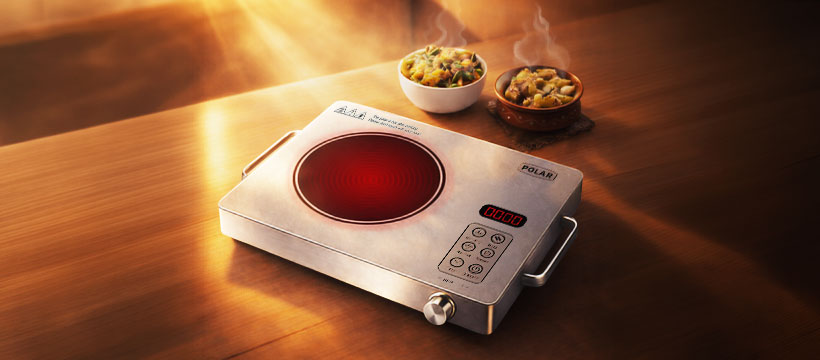
The modern kitchen is evolving faster than ever, and infrared cooking technology is becoming one of the most exciting innovations in the culinary world. Known for its energy efficiency, faster cooking process, and ability to retain food moisture and nutrients, infrared cooking is steadily transforming residential and commercial kitchens alike. As technology advances, the future of infrared cooking promises smarter, healthier, and more sustainable cooking experiences.
In this blog, we explore the upcoming trends shaping the future of infrared cooking technology and how it is redefining modern cooking standards.
What is Infrared Cooking Technology?
Infrared cooking uses electromagnetic radiation to transfer heat directly to food without heating the surrounding air first. Unlike conventional cooking methods that rely on gas flames or electric coils, infrared technology heats food quickly and evenly through radiant energy.
This method results in:
- Faster cooking times
- Lower energy consumption
- Better heat distribution
- Enhanced food texture and flavor
- Reduced nutrient loss
As consumers continue to seek convenience and healthier cooking options, infrared cooking technology is becoming increasingly popular across households and professional kitchens.
Why Infrared Cooking is Gaining Popularity
The demand for advanced kitchen appliances is growing due to changing lifestyles, rising energy costs, and the need for efficient cooking solutions. Infrared cooking systems address many common cooking challenges while offering a premium cooking experience.
Faster and More Efficient Cooking
Infrared heat penetrates food directly, reducing preheating time and cooking duration significantly. This makes it ideal for busy households and commercial kitchens where speed matters.
Healthier Cooking Results
Infrared cooking retains natural moisture and nutrients better than traditional methods. Foods cooked with infrared technology often require less oil, making meals healthier without compromising taste.
Energy Savings
Because infrared cooking transfers heat more efficiently, it consumes less energy compared to conventional gas or electric cooking systems. This contributes to lower utility bills and reduced environmental impact.
Emerging Trends in Infrared Cooking Technology
The future of infrared cooking is being shaped by innovation, automation, and sustainability. Here are some major trends expected to dominate the market in the coming years.
Smart Infrared Appliances
Integration with Smart Home Systems
One of the biggest future trends is the integration of infrared cooking appliances with smart home ecosystems. Future infrared ovens, cooktops, and grills will connect seamlessly with smartphones and voice assistants.
Users will be able to:
- Control temperature remotely
- Monitor cooking progress in real time
- Receive maintenance alerts
- Access AI-powered cooking recommendations
Smart infrared cooking systems will make meal preparation easier, more precise, and highly personalized.
AI-Based Cooking Assistance
Artificial intelligence is expected to play a major role in future infrared cooking appliances. AI-powered systems can automatically detect food type, adjust cooking settings, and optimize cooking duration for perfect results.
This technology reduces human error and ensures consistent cooking quality every time.
Sustainable and Eco-Friendly Cooking Solutions
Reduced Carbon Footprint
As sustainability becomes a global priority, infrared cooking technology is emerging as an environmentally friendly alternative to traditional cooking systems. Infrared appliances consume less power and reduce heat wastage, helping households lower their carbon footprint.
Energy-Efficient Kitchen Designs
Future kitchen designs are likely to prioritize energy-efficient appliances, including infrared cooktops and ovens. Manufacturers are focusing on creating compact, low-energy-consuming systems suitable for modern smart homes.
Eco-conscious consumers are increasingly choosing appliances that support sustainable living practices.
Advanced Infrared Heating Materials
Improved Heating Elements
Future infrared cooking appliances will use advanced ceramic and carbon-based heating elements for better heat transfer and durability. These materials offer quicker heating response and longer appliance life.
Enhanced Safety Features
Manufacturers are also investing in safer infrared systems with automatic shut-off features, heat sensors, and child-lock mechanisms. These innovations improve user safety while maintaining high cooking efficiency.
Infrared Technology in Commercial Kitchens
Commercial kitchens are rapidly adopting infrared cooking systems due to their operational benefits.
Faster Service in Restaurants
Infrared grills and ovens can cook food much faster than traditional methods, helping restaurants reduce waiting times and improve customer satisfaction.
Consistent Food Quality
Restaurants and food chains require consistency in taste and texture. Infrared cooking technology ensures even heat distribution, reducing the chances of undercooked or overcooked food.
Lower Maintenance Costs
Infrared cooking appliances generally produce less smoke and residue, resulting in easier cleaning and reduced maintenance costs for commercial kitchens.
Combination Cooking Technologies
The future will also see hybrid cooking appliances that combine infrared cooking with other advanced technologies.
Infrared + Convection Cooking
Combining convection airflow with infrared heat can improve cooking precision and create perfectly cooked dishes with crispy exteriors and moist interiors.
Infrared + Steam Cooking
Some modern appliances are integrating steam technology with infrared cooking to retain maximum nutrients and improve food texture.
These multifunctional systems provide flexibility and elevate the overall cooking experience.
Rise of Portable Infrared Cooking Devices
Portable infrared grills and cookers are becoming increasingly popular among travelers, campers, and outdoor cooking enthusiasts.
Future portable devices are expected to feature:
- Lightweight designs
- Rechargeable battery support
- Faster heating capability
- Smart temperature control
This trend reflects the growing demand for convenient and mobile cooking solutions.
The Future Consumer Experience
Consumers are becoming more interested in appliances that offer convenience, precision, and health benefits. Future infrared cooking systems will likely focus on user-friendly interfaces, customizable cooking modes, and sleek aesthetic designs.
Touchscreen controls, voice commands, recipe automation, and app integration will become standard features in next-generation kitchens.
Challenges and Future Scope
Despite its advantages, infrared cooking technology still faces certain challenges such as higher initial costs and limited consumer awareness in some regions. However, ongoing innovation and increasing demand for smart kitchens are expected to drive widespread adoption.
As manufacturing technology improves, infrared appliances are likely to become more affordable and accessible to a broader audience.
The future scope of infrared cooking is vast, particularly in:
- Smart homes
- Commercial food services
- Sustainable living solutions
- Health-focused cooking environments
Conclusion
Infrared cooking technology is no longer just a modern convenience — it is becoming the future of efficient and intelligent cooking. With advancements in smart automation, energy efficiency, sustainability, and AI integration, infrared cooking appliances are set to revolutionize kitchens worldwide.
As consumers continue to prioritize speed, health, and convenience, the demand for infrared cooking systems will only grow stronger. Whether for homes or commercial kitchens, infrared cooking technology represents a smarter, cleaner, and more sustainable approach to preparing food in the years ahead